Calm a Nighttime Anxiety Attack: 5 Fast Steps
How to calm an anxiety attack at night?
Waking up with panic or feeling anxiety rise after the lights go out can feel especially intense because everything is quiet and your body is already in “rest mode.” The goal isn’t to force sleep right away—it’s to help your nervous system come down enough that sleep can return naturally.
1) Ground your body with a simple reset
Sit up or place both feet on the floor. Press your heels down and notice five things you can see, four you can feel, three you can hear, two you can smell, and one you can taste. This pulls attention away from spiraling thoughts and back into the present moment.
2) Slow your breathing without “over-breathing”
Try inhaling through your nose for 4 seconds, holding for 2, then exhaling slowly for 6–8 seconds. Aim for a soft, quiet breath rather than big gulps of air. A longer exhale signals safety to your body and can reduce the physical surge of panic.
3) Relax muscles to reduce adrenaline
Tense your shoulders for 5 seconds, then release for 10. Repeat with hands, jaw, stomach, and legs. This helps discharge the fight-or-flight energy that often makes nighttime anxiety feel “stuck” in your body.
4) Use a “safe script” for racing thoughts
Pick one calming phrase to repeat: “This is uncomfortable, but it will pass,” or “My body is having a false alarm.” Avoid debating your thoughts; instead, label them as anxiety and return to breathing or grounding.
5) If it’s not easing, change the setting briefly
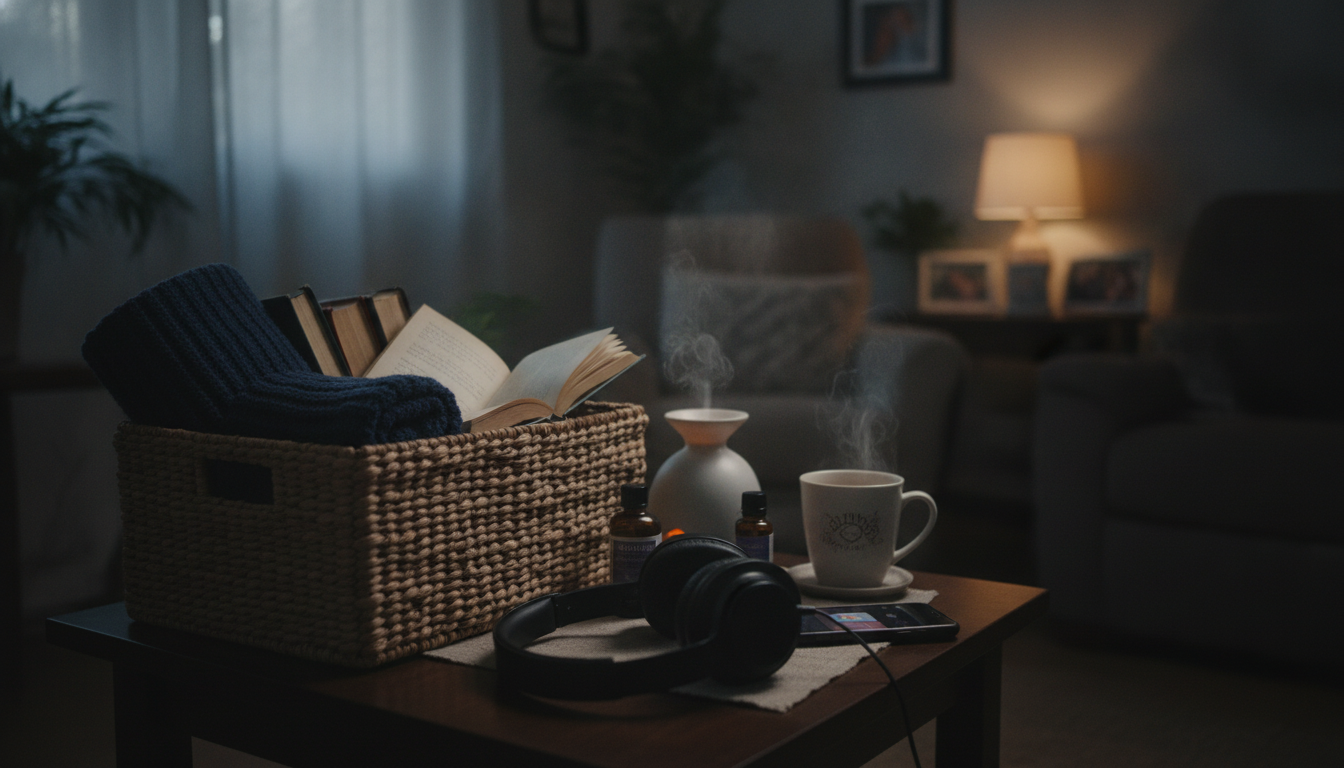
If you’ve been in bed for 15–20 minutes and feel worse, get up and go to a dim room. Sip water, hold something cool, or listen to a low-volume, familiar audio track. Return to bed when the intensity drops.
For more step-by-step options and comforting routines that fit nighttime triggers, read the full guide here: https://dreamitemspot.shop/how-to-calm-an-anxiety-attack-at-night/.
FAQ
Why do anxiety attacks feel worse at night?
At night there are fewer distractions, and normal body sensations (like a faster heartbeat) can feel louder and more alarming. Fatigue and stress buildup from the day can also make your nervous system easier to trigger.











Leave a comment